


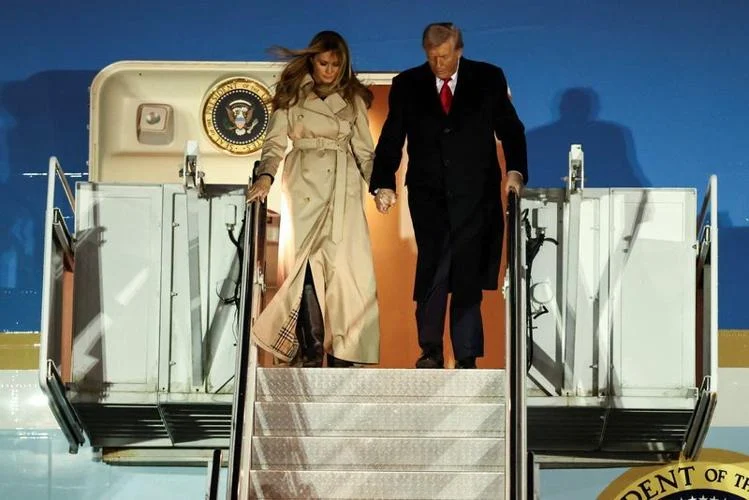
Former US President Donald Trump received a rare royal welcome during his historic state visit to the United Kingdom, drawing both praise and criticism. The visit, marked by full ceremonial honours, included a military parade, formal banquets, and meetings with senior British officials, underscoring the enduring diplomatic ties between the two nations.
The pomp and ceremony reflected centuries of tradition, with Trump arriving at a royal palace to be greeted by the Queen’s representatives. Troops lined the route, flags waved, and bands played as part of the meticulously planned welcoming events. Supporters hailed the visit as a reaffirmation of the “special relationship” between the United States and the United Kingdom.
However, the visit also sparked controversy. Critics questioned the appropriateness of granting full state honours to a former president no longer in office, arguing that it blurred the line between ceremonial respect and political endorsement. Social media and news outlets saw a surge of debate over protocol, politics, and public perception.
The itinerary included high-profile engagements with UK leaders, highlighting areas of shared interest such as trade, defence, and international security. Analysts noted that the visit provided opportunities to strengthen economic and political ties, as well as symbolic reassurance of ongoing cooperation between the two countries.
Public reaction was mixed. Supporters praised the grandeur and pageantry, viewing it as a historic occasion and a chance to celebrate the longstanding alliance. Others, however, expressed unease, pointing to Trump’s polarising reputation and controversial political record. Demonstrations outside key venues reflected the divided opinions across the UK.
The state visit also featured cultural events, including formal dinners and receptions with diplomats, business leaders, and members of the royal family. These engagements highlighted the ceremonial role of the monarchy in diplomacy, showcasing traditions that have long underpinned British foreign relations.
Political analysts emphasised that while the visit was largely ceremonial, it carried subtle political significance. By granting Trump a royal welcome, the UK signalled respect for the office of the US presidency and acknowledged the strategic partnership that extends beyond individual administrations.
Despite the grandeur, security concerns were high. London and other major cities implemented extensive policing measures to manage crowds, prevent disorder, and protect both dignitaries and the public. Traffic disruptions and heightened security checkpoints were noted throughout the day.
Economists also noted potential economic benefits tied to state visits of this nature. The attention generated by the visit could boost tourism, media coverage, and international investment. State visits often provide indirect advantages by promoting the host nation’s global image and reinforcing trade and cultural links.
The visit serves as a reminder of the delicate balance between ceremonial tradition and political sensitivities. The UK’s willingness to extend royal honours to Trump demonstrates a commitment to longstanding diplomatic norms, even amid domestic and international debate.
As Trump departed, reactions remained mixed. Some hailed the visit as a historic celebration of Anglo-American friendship, while others saw it as a polarising event that highlighted divisions both abroad and at home. Scholars suggest that state visits will continue to walk the fine line between diplomacy, pageantry, and politics.
In conclusion, Donald Trump’s historic state visit to the UK combined royal pomp with political controversy. While the ceremonial aspects celebrated centuries-old tradition, public debate and demonstrations reflected the ongoing tensions surrounding Trump’s legacy. The visit highlighted the enduring, if complicated, relationship between the UK and the United States, and the role of state visits in bridging diplomacy and domestic opinion.
