


Thousands of demonstrators took to the streets of London to protest the visit of US President Donald Trump, while the King and senior members of the royal family hosted him at Windsor. The protests, which drew a diverse mix of activists, students, and concerned citizens, highlighted deep political and social divisions surrounding the former president’s policies and public image.
Crowds gathered across central London, waving banners and chanting slogans calling for accountability and expressing opposition to Trump’s political record. Organisers said the protest was intended to be peaceful, though large numbers of police were deployed to manage the event and prevent disorder.
The protests coincided with formal state events in Windsor, where the King and senior royals welcomed Trump with full ceremonial honours. The US President attended official meetings, banquets, and engagements designed to reinforce the “special relationship” between the United States and the United Kingdom.
Witnesses described a highly charged atmosphere in London, with demonstrators making their voices heard through marches, speeches, and symbolic displays. Messages highlighted issues such as immigration, climate policy, and political accountability, reflecting ongoing global debates about Trump’s influence and legacy.
Police maintained a significant presence along protest routes, controlling crowds and redirecting traffic to ensure safety for both demonstrators and bystanders. While most of the protest remained peaceful, authorities reported a small number of minor scuffles and arrests related to public order offences. No serious injuries were reported.
Public reaction was mixed. Supporters of Trump emphasised the importance of diplomatic ties and the ceremonial nature of the royal visit, arguing that protests were an expected part of free expression in a democratic society. Critics, however, welcomed the demonstrations as a necessary check on political power and a way to raise awareness of policies they oppose.
Political analysts note that the protests reflect wider societal tensions in both the UK and the US. The high-profile nature of Trump’s visit, combined with the presence of the royal family, created a focal point for public dissent, drawing attention from media outlets around the world.
Social media amplified the demonstrations, with videos and live updates showing the scale and diversity of participants. Hashtags supporting the protests trended online, highlighting the international attention and solidarity among activists across borders.
Organisers of the protest emphasised that their intention was to exercise democratic rights, drawing attention to issues they say are overlooked in mainstream discussions. They called on political leaders to engage with citizens’ concerns, particularly regarding policies that affect vulnerable groups.
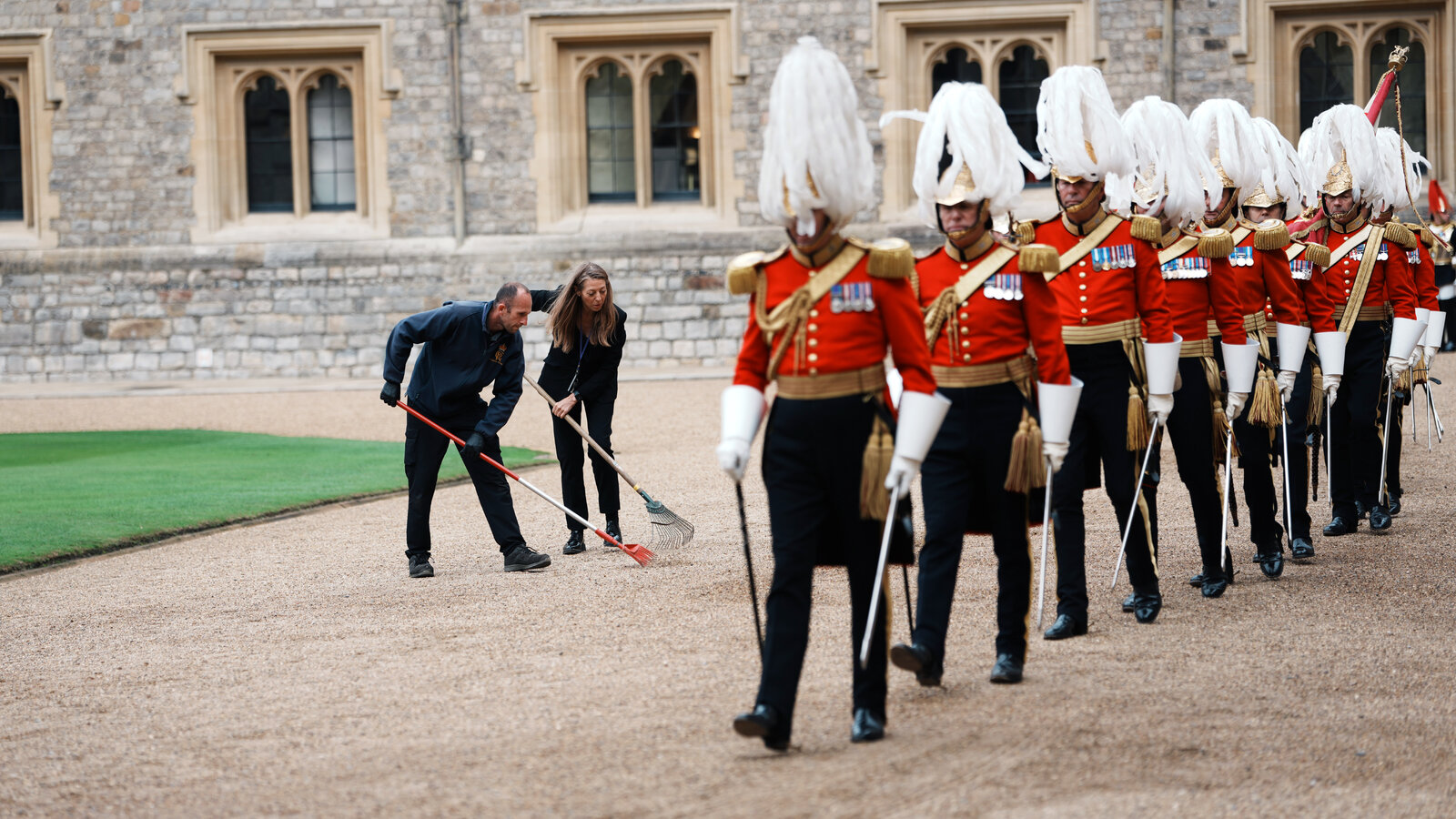
At Windsor, the royal engagements continued as planned, with officials stressing that the ceremonial elements of the visit were separate from political demonstrations. The King and senior royals received the US President with formal honours, including a military parade, official banquets, and cultural showcases, reinforcing the long-standing diplomatic relationship.
The juxtaposition of large-scale protests in London and the ceremonial welcome in Windsor highlighted the dual nature of state visits: as symbols of international diplomacy and as occasions for domestic public engagement, including dissent. Analysts suggest that such events are increasingly becoming stages for expressing political and social opinions in addition to formal diplomatic functions.
In conclusion, thousands of anti-Trump protesters marched in London while the King and senior royals hosted the US President in Windsor, creating a vivid contrast between public dissent and formal diplomacy. The protests reflected ongoing societal and political debates, underscoring the complex intersection of international relations, ceremonial tradition, and domestic political expression.
