


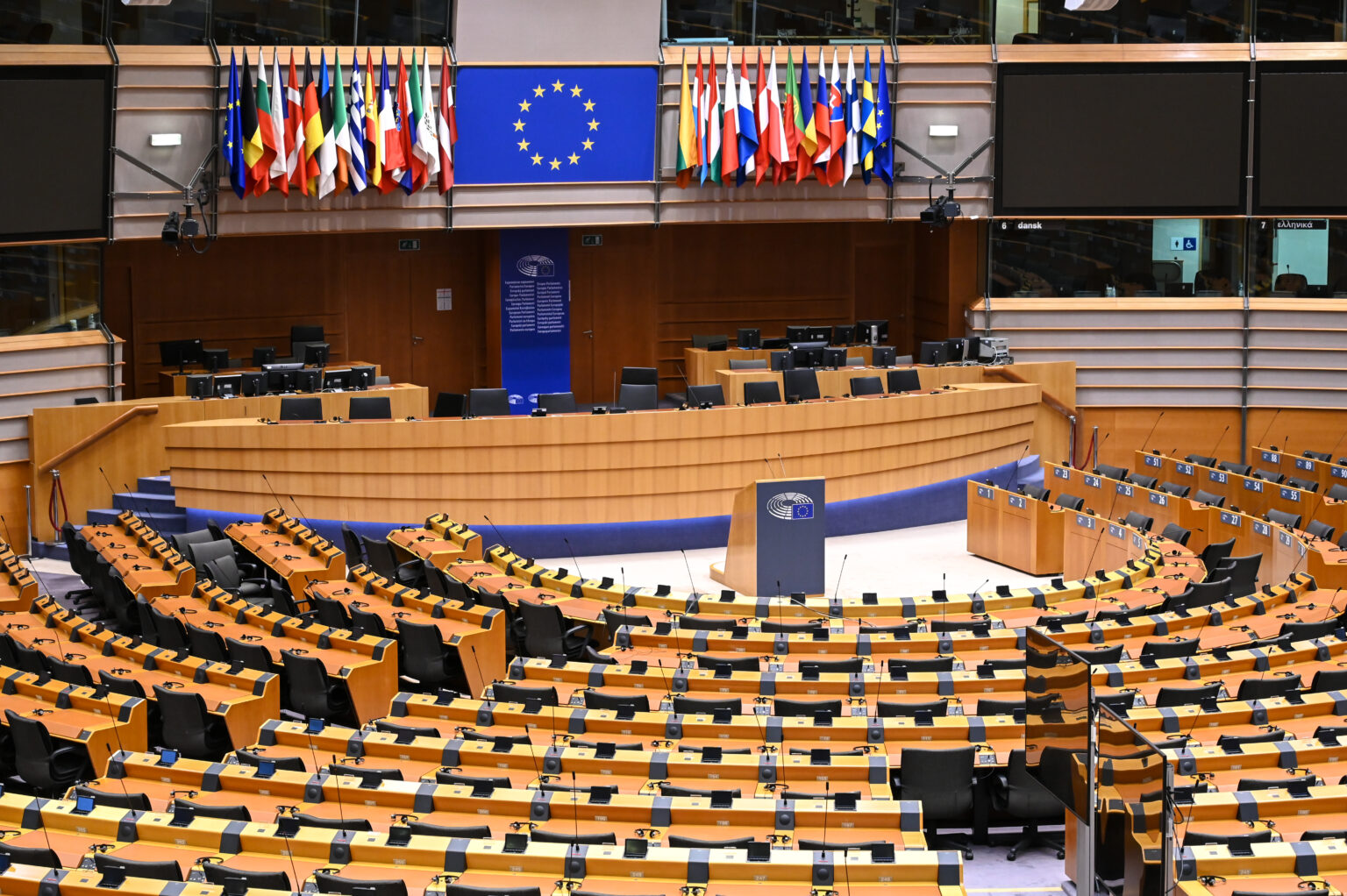
A group of younger Members of the European Parliament (MEPs) is calling for reforms to make parliamentary debates more dynamic and engaging. The initiative seeks to attract greater public interest in EU legislative processes and strengthen democratic participation.
The MEPs argue that current debates are often formal and rigid, limiting public understanding and engagement. By introducing reforms, they hope to create a more interactive environment where complex issues can be discussed clearly and efficiently.
Proposed changes include shorter speeches, more structured exchanges, and innovative formats that encourage discussion between members rather than extended monologues. The goal is to make proceedings easier to follow for citizens across Europe.
Supporters of the initiative believe that more engaging debates could improve transparency and accountability. Citizens would be better able to track how their representatives make decisions and understand the reasoning behind legislation.
The younger MEPs emphasize that public participation is essential for a strong European democracy. By modernizing debate formats, they aim to bridge the gap between EU institutions and the people they serve.
In addition to procedural reforms, the initiative calls for enhanced digital access to debates. Live streaming, real-time translations, and interactive platforms could allow citizens to follow discussions more closely and contribute feedback.
Parliamentary experts note that dynamic debates can also improve policy-making. When members exchange ideas more openly and respond to each other’s points, legislation is often more thoroughly considered and refined.
The proposal is gaining attention from both veteran MEPs and parliamentary staff. While some caution that reforms should preserve decorum and efficiency, others see it as a necessary step to adapt the European Parliament to the digital age.
Youth-driven initiatives in the EU have previously led to reforms in other areas, such as climate policy and digital governance. Advocates hope that similar energy will now influence parliamentary procedures.
Public interest in EU politics has historically been low, with voter turnout in European elections often below national averages. Reforming debate structures is seen as a way to make the EU more relatable and understandable to ordinary citizens.
Critics warn that changes must balance engagement with substance. Simplifying debates too much could risk reducing complex policy discussions to soundbites. Proponents respond that reform does not mean diluting content but rather presenting it in a more accessible way.
The group of younger MEPs plans to present their proposals formally in the coming months. They will seek support from colleagues across political groups and national delegations to ensure broad backing for the reforms.
Experts suggest that if adopted, these reforms could set a precedent for other parliamentary bodies in Europe. More engaging debates might encourage citizens to follow legislative work more closely and participate in public consultations.
Transparency advocates also highlight the potential for improved media coverage. Shorter, more focused speeches and structured exchanges could allow news outlets to report on parliamentary debates more accurately and attract wider audiences.
The European Parliament debate reforms aim to create a parliament that communicates better with its citizens. By combining procedural innovation with digital tools, MEPs hope to make the legislative process more accessible and inclusive.
As the EU continues to address pressing challenges, from climate change to economic recovery, more dynamic debates could help citizens feel connected to decision-making and confident that their voices are heard.
European Parliament debate reforms demonstrate a growing effort to modernize EU institutions. The initiative reflects the priorities of a younger generation of lawmakers seeking to make politics more engaging and transparent for the public.
