


Boxing has never been flawless. Even during thrilling battles like Joseph Parker versus Fabio Wardley last Saturday, viewers either recoil from the violence or rage at disputed stoppages. The sport’s brutality forms just one of many controversies. Politics, pain, and crime continue to define this complicated yet adored discipline that often betrays its own description as the “sweet science.”
Still, boxing always finds a way to keep fans engaged. The Parker–Wardley clash—regardless of the referee’s eleventh-round call—displayed mesmerizing skill and reignited passion for many fans. Yet boxing constantly gives with one hand and takes with the other.
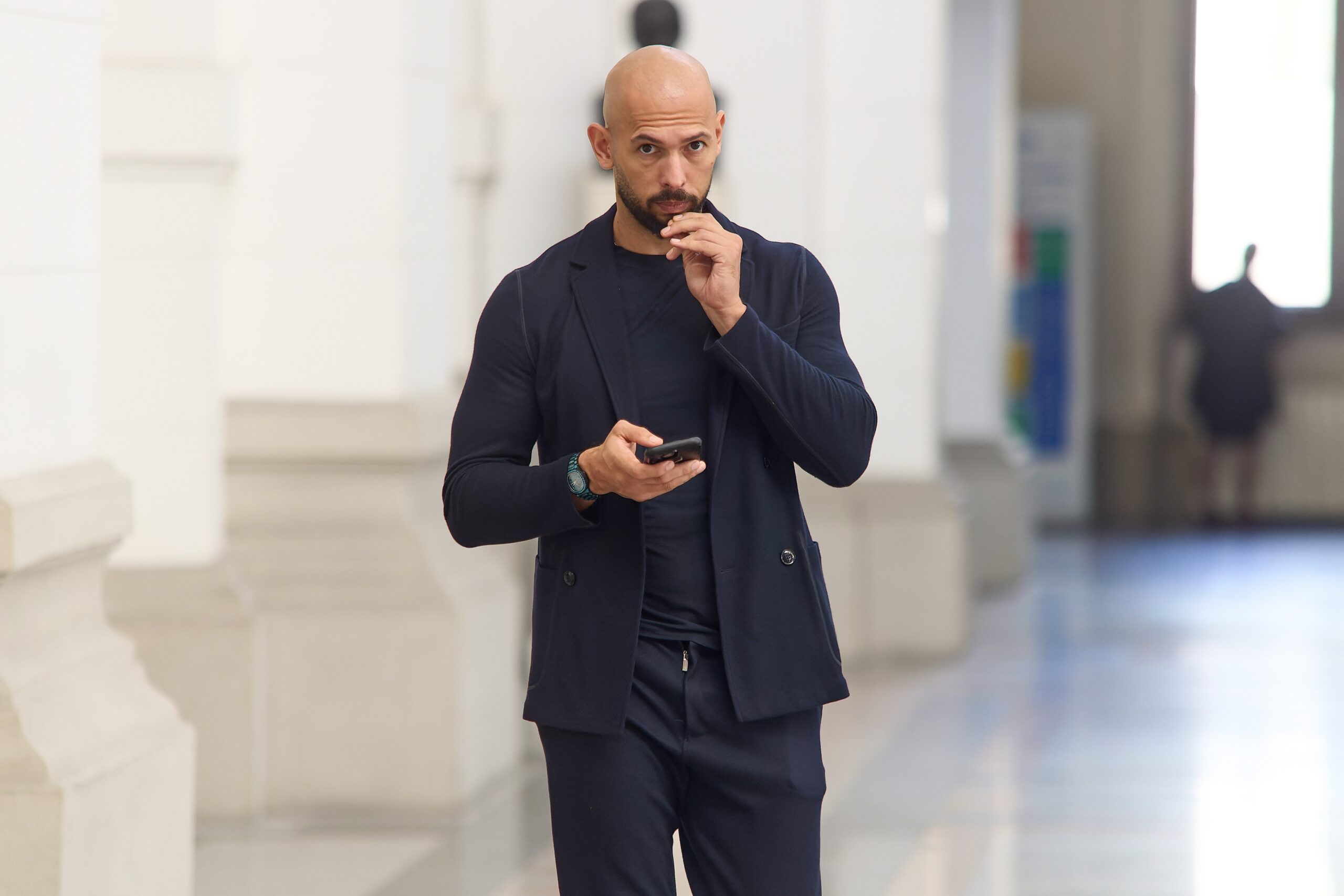
Thursday’s announcement proved that pattern once again. Organizers confirmed that Andrew Tate will debut in boxing this December against TV personality Chase DeMoor in Dubai. Misfits Boxing, a promotion previously led by YouTuber KSI, will stage the event. Tate claimed to have replaced KSI as Misfits CEO, a statement that sparked KSI’s furious online response.
Controversy Shadows Tate’s Entry into the Ring
Andrew Tate, 38, once fought professionally in kickboxing, earning 76 victories, including 32 knockouts, with nine defeats and one draw. He also competed in mixed martial arts but gained greater fame as an influencer. Tate openly identifies as a misogynist and flaunts his wealth across social media platforms.
Authorities have accused Tate and his brother Tristan, 37, of rape and human trafficking. Both men deny every allegation. In May, the UK Crown Prosecution Service charged them with 21 counts combined. Andrew faces 10 charges involving three alleged victims, including rape, assault, trafficking, and controlling prostitution for gain. Tristan faces 11 charges tied to one alleged victim, including rape and human trafficking.
The CPS approved these charges in 2024 before requesting their extradition from Romania, where both brothers remain under investigation. Reports also suggest ongoing inquiries in the United States.
Many critics argue that Tate’s background should disqualify him from any public platform, let alone a boxing ring. Yet history shows boxing rarely rejects controversy. The sport once promoted convicted offenders like Mike Tyson, proving again that money dominates every moral discussion in the business.
Profit Over Principles Threatens Boxing’s Soul
Viewers will watch Tate’s fight regardless of outrage. Whether they tune in out of disgust or loyalty, the event will generate profit. Tate stands to gain financially from both the match and his claimed leadership role within Misfits.
“Welcome to your new CEO,” Tate announced in a video. “Mams [Taylor] and I will elevate Misfits to the global stage. Since I’m the biggest name in the world, owning part of the promotion just makes sense.”
Financially, Tate’s logic works. Ethically, it destroys credibility. His involvement risks dragging an already divided sport into deeper toxicity. Boxing, long plagued by corruption and chaos, now struggles to resemble the craft that inspired generations of fans.
Thursday also brought fresh trouble when world champion Gervonta Davis faced new battery accusations from an ex-girlfriend. Davis, who plans to fight YouTuber Jake Paul on November 14, has not responded publicly to the claims.
Maybe these warnings echo into emptiness. Still, someone must step in to stop boxing from collapsing under its own madness.
