


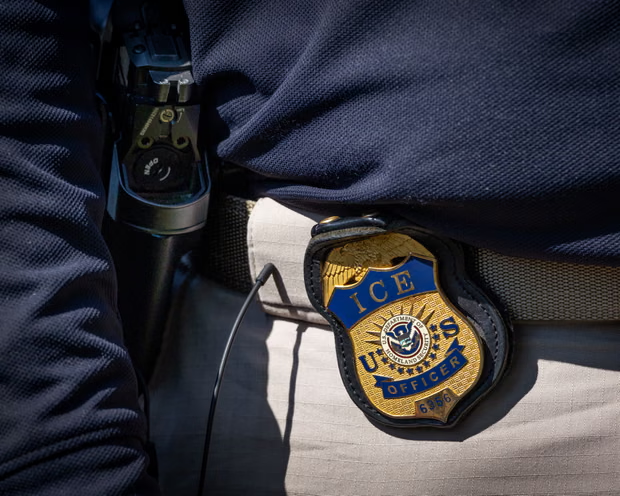
The Trump administration intensified its sanctuary cities crackdown on Monday with a series of immigration raids in Illinois. The operation, called “Midway Blitz,” focused on targeting undocumented immigrants with criminal records.
The Department of Homeland Security said the raids aimed to protect Americans from crime. “This ICE operation will target criminal illegal aliens who came to Chicago and Illinois because they knew they would be shielded by sanctuary policies,” DHS said. The statement noted that the action supported victims of crimes linked to undocumented immigrants.
Thousands of Chicago residents protested in response. Many opposed the raids and suggestions that national guard troops could be deployed. Courts have previously ruled such deployments in cities like Chicago as illegal or unconstitutional.
Trump’s sanctuary cities crackdown is part of a larger effort to enforce federal immigration laws in cities that limit cooperation with federal authorities. Sanctuary cities, like Chicago, often restrict local police from reporting immigration status to federal agencies.
Under federal law, the president can direct agencies such as ICE to focus on undocumented immigrants with criminal histories. This includes conducting targeted raids, using federal resources to deport individuals who break immigration laws, and coordinating with willing local authorities. The administration can also issue executive orders prioritizing enforcement in certain areas.
However, legal limits exist. The president cannot deploy the military or national guard in ways that violate the Constitution, force local authorities to act as federal immigration agents, or implement broad actions targeting all undocumented immigrants regardless of criminal history, which could breach due process rights. Past attempts to withhold federal funding from sanctuary cities have been blocked in courts, showing the limits of presidential authority.
The crackdown has already sparked political debate. Democratic leaders argue these moves are politically motivated and could harm communities. Chicago officials say sanctuary policies improve public safety by encouraging trust between residents and police. Public protests have intensified, with thousands marching downtown, warning that aggressive enforcement could lead to racial profiling and community tensions.
Trump supporters defend the raids as necessary to uphold law and order, arguing that sanctuary policies shield criminals and endanger citizens. The crackdown may spread to other cities with similar policies, including New York, Los Angeles, and Philadelphia. Legal challenges are expected wherever enforcement is aggressive.
Experts say the impact will depend on balancing federal authority and local protections. While the president can prioritize enforcement and increase ICE operations, constitutional limits and court rulings will restrict overreach. The coming weeks will test the boundaries of federal power in sanctuary cities, with residents, local leaders, and courts closely watching the outcome.
