


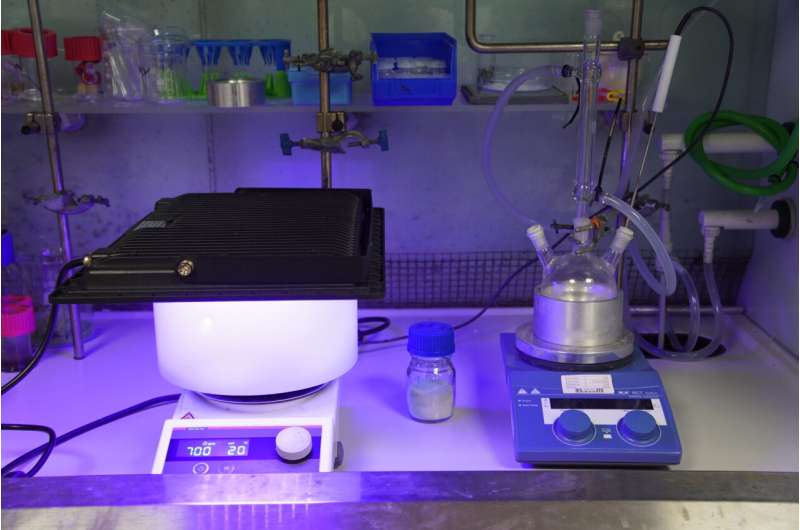
Researchers have developed a solar reactor process that could change the way clean energy is produced. The system converts waste plastics and acid into hydrogen fuel, offering a sustainable alternative to traditional energy sources. Experts say this innovation could significantly impact energy technology and environmental sustainability.
The solar reactor uses sunlight to drive chemical reactions that break down waste plastics and acids. The resulting process produces hydrogen gas, a clean fuel that emits only water when used for energy. This approach combines renewable energy with waste reduction, tackling two major global challenges at once.
Hydrogen fuel is seen as a key solution for decarbonizing industries and transportation. However, producing it sustainably has been a challenge. Traditional methods often rely on fossil fuels, creating additional carbon emissions. By contrast, the solar reactor method uses sunlight and waste materials, making it a greener alternative.
Researchers note that the process is efficient and scalable. The system can handle various types of plastics and acidic waste, turning them into usable hydrogen. This versatility increases the potential for widespread adoption in both industrial and urban settings.
Early experiments show that the solar reactor can generate hydrogen at competitive rates. Scientists emphasize that further development could improve efficiency and reduce costs, making it viable for commercial use. This could open new avenues for clean energy production worldwide.
The innovation also addresses environmental concerns related to plastic waste. By converting plastics into fuel instead of letting them accumulate in landfills or oceans, the process contributes to a circular economy. This dual benefit of clean energy and waste reduction makes the technology highly attractive.
Industry experts believe that solar reactor hydrogen fuel systems could complement existing renewable energy infrastructure. Integrating this technology with solar panels or other clean energy sources could provide a consistent supply of hydrogen for industrial and residential applications.
Safety and sustainability are key priorities. The researchers highlight that the process minimizes harmful byproducts and focuses on maximizing clean hydrogen output. This makes the technology promising for long-term energy strategies and climate goals.
In addition, the system may accelerate research in related fields such as fuel cells, green chemistry, and energy storage. Efficient hydrogen production is essential for supporting next-generation energy solutions, including electric vehicles and industrial decarbonization.
Governments and companies interested in renewable energy are already exploring potential partnerships. The solar reactor technology could become an important tool in global efforts to reduce carbon emissions and transition to cleaner energy systems.
Overall, the solar reactor hydrogen fuel process demonstrates how science and sustainability can work together. By turning waste plastics and acid into clean hydrogen, researchers are providing a practical, eco-friendly solution for energy production and environmental protection.
