


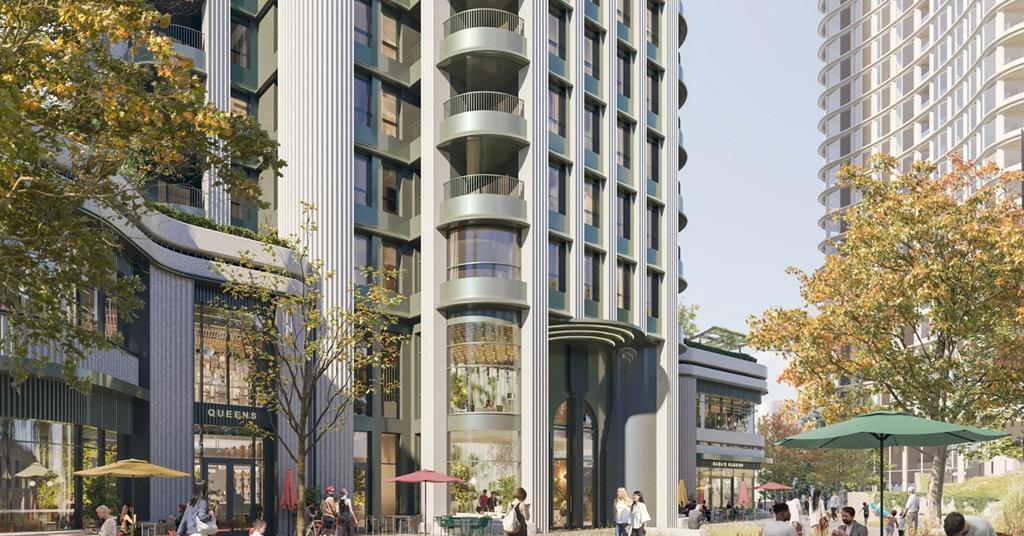
The long-awaited redevelopment of Earls Court in West London is forecast to deliver a major boost to the UK economy, with new analysis suggesting it could add £3bn annually once completed. Developers say the £8bn project, which has been in planning for over a decade, will transform the area into a thriving district for housing, business, and culture.
The site, once home to the famous Earls Court Exhibition Centre, has remained largely empty since the venue was demolished in 2014. Now, the latest plans aim to bring life back to the area with new homes, offices, shops, green spaces, and cultural venues. If delivered as proposed, the scheme is expected to create tens of thousands of jobs and provide much-needed housing in one of London’s most expensive districts.
According to projections from the Earls Court Development Company, the scheme will contribute around £3bn per year to the UK economy once fully operational. This includes direct spending from new businesses, household consumption from residents, and wider benefits from tourism and cultural attractions.
The redevelopment also aims to deliver 4,500 new homes, with 35% earmarked as affordable. This has been highlighted as a key benefit amid London’s ongoing housing shortage. Rising rents and house prices have left many families struggling to secure homes, making large-scale projects like Earls Court vital in easing pressure on the housing market.
The economic impact extends beyond housing. Around 15,000 permanent jobs are expected to be created once the project is complete, alongside 12,000 jobs during construction. New office and retail space will also attract investment, with developers promising a mix of large employers, small businesses, and start-ups.
Green space is another major focus. The plans include 12 acres of parks and public squares, aiming to make Earls Court one of London’s greenest new districts. Developers say this emphasis on open space and sustainability will help improve quality of life for residents and attract visitors to the area.
Cultural and leisure facilities are also set to play a central role. The original Earls Court Exhibition Centre hosted concerts, sporting events, and shows that became part of London’s cultural history. While the venue is gone, the new scheme intends to carry forward its spirit by creating modern performance and exhibition spaces that can host a wide range of events.
Despite the positive projections, the project faces scrutiny. Critics argue that previous redevelopment schemes in London have struggled to meet affordable housing targets, and concerns remain about whether the homes built at Earls Court will be truly affordable for local families. Campaigners have also raised questions about the impact of large-scale construction on surrounding communities and the timeline for delivery.
The developers insist that lessons have been learned from past projects. They point to extensive community engagement, commitments to affordable housing, and a phased construction plan designed to limit disruption. They also argue that the scale of the economic benefits—both locally and nationally—makes the project vital for the UK at a time of economic uncertainty.
The project has backing from local councils and is seen as a key part of West London’s growth strategy. With London facing ongoing challenges around housing, employment, and competitiveness, large-scale schemes like Earls Court are seen as opportunities to attract global investment and maintain the city’s status as a leading world capital.
If the forecasts are correct, Earls Court could emerge as one of the UK’s most significant regeneration projects of the next decade, reshaping a major part of West London while providing billions of pounds in economic value. For now, developers are working through the planning and approval stages, with construction expected to ramp up in the coming years.
The transformation of Earls Court from a derelict site into a bustling new district could be one of London’s most dramatic urban renewals. Supporters argue it is not just a local scheme but a national economic driver, with the potential to add £3bn annually to the economy and deliver long-lasting benefits in jobs, housing, and cultural life.
