


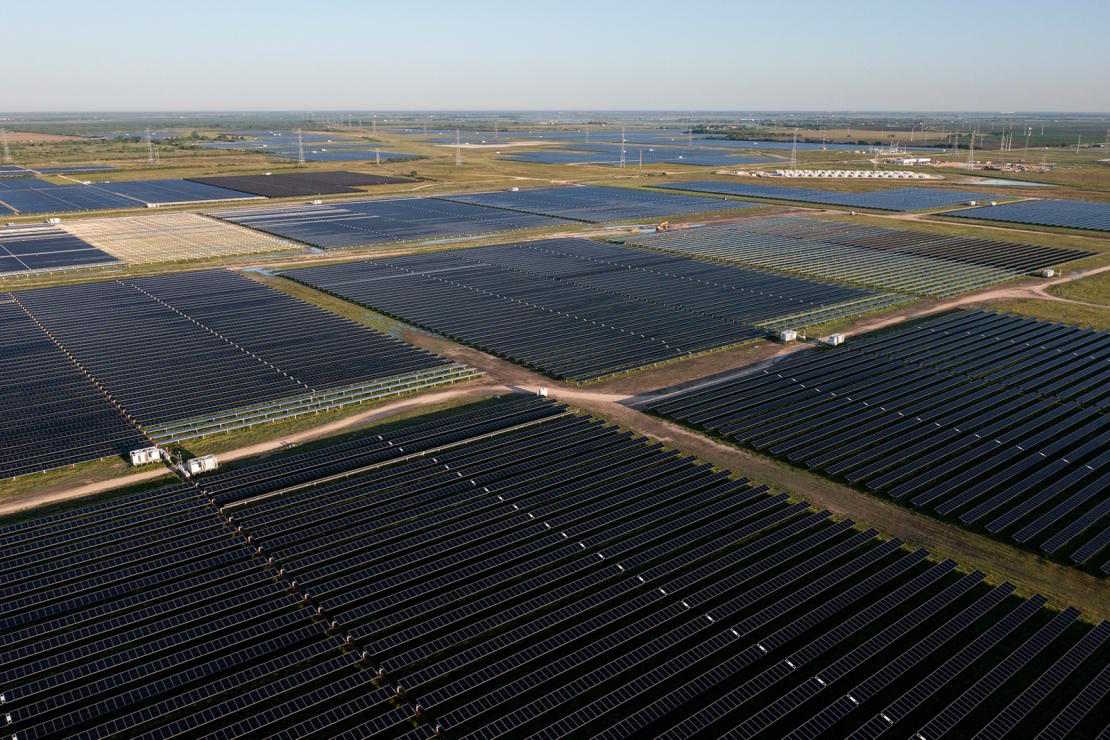
Clean energy sources made up roughly 88% of new electrical capacity in the U.S. in 2025, highlighting a major shift toward lower-carbon power. Analysts say the data reflects the growing dominance of renewable energy in the country’s electricity grid.
The majority of new capacity comes from solar, wind, and battery storage projects. These technologies are becoming increasingly cost-effective, allowing utilities to add renewable power more quickly than traditional fossil fuels. The trend shows that clean energy is not only environmentally beneficial but also economically competitive.
Solar energy remains the largest contributor, with both rooftop and utility-scale installations driving the expansion. Wind power continues to grow in regions with strong resources, while battery storage ensures that electricity is available when demand is high or generation is low. Together, these technologies make the grid more flexible and resilient.
Experts note that the 88% share of new capacity is a striking indicator of the nation’s energy transition. It demonstrates that renewable energy is scaling rapidly, outpacing coal, oil, and natural gas additions. Analysts say this pace of growth is faster than many earlier projections.
Government incentives and supportive policies have helped accelerate the shift. Tax credits, grants, and streamlined permitting processes make it easier for developers to invest in clean energy projects. At the same time, utilities and corporations are increasingly committed to sustainability goals, adding further momentum.
The economic impact of the growth is significant. Renewable energy projects create jobs in manufacturing, construction, and maintenance. Communities hosting solar or wind farms benefit from new employment opportunities and increased local revenue. The shift also helps reduce electricity costs over time and strengthens energy security nationwide.
Environmental benefits are equally important. Expanding renewable capacity reduces greenhouse gas emissions and air pollution. Cleaner electricity contributes to public health improvements, lowers climate risk, and aligns with national and state climate targets.
Analysts predict that clean energy’s share of new U.S. capacity will continue to grow. As solar panel costs decline, wind technology advances, and battery storage becomes more efficient, renewable power is expected to dominate future energy projects. This trend positions the U.S. as a global leader in clean energy deployment.
The 2025 data also underscores the potential for a low-carbon grid. With most new capacity coming from renewable sources, the country is making measurable progress in transitioning away from fossil fuels. Utilities are increasingly investing in energy storage, grid modernization, and smart technologies to accommodate this shift.
Industry experts say that the rapid growth of clean energy demonstrates how market forces, technological innovation, and policy incentives can work together to accelerate a sustainable energy transition. The trend shows that renewable energy can be a reliable, affordable, and environmentally responsible solution for the nation.
As the U.S. adds more renewable capacity in the coming years, the electricity grid is expected to become cleaner, more resilient, and more efficient. The record share of clean energy in 2025 is a clear sign that the country is moving toward a lower-carbon energy future, benefiting the environment, the economy, and society at large.
