


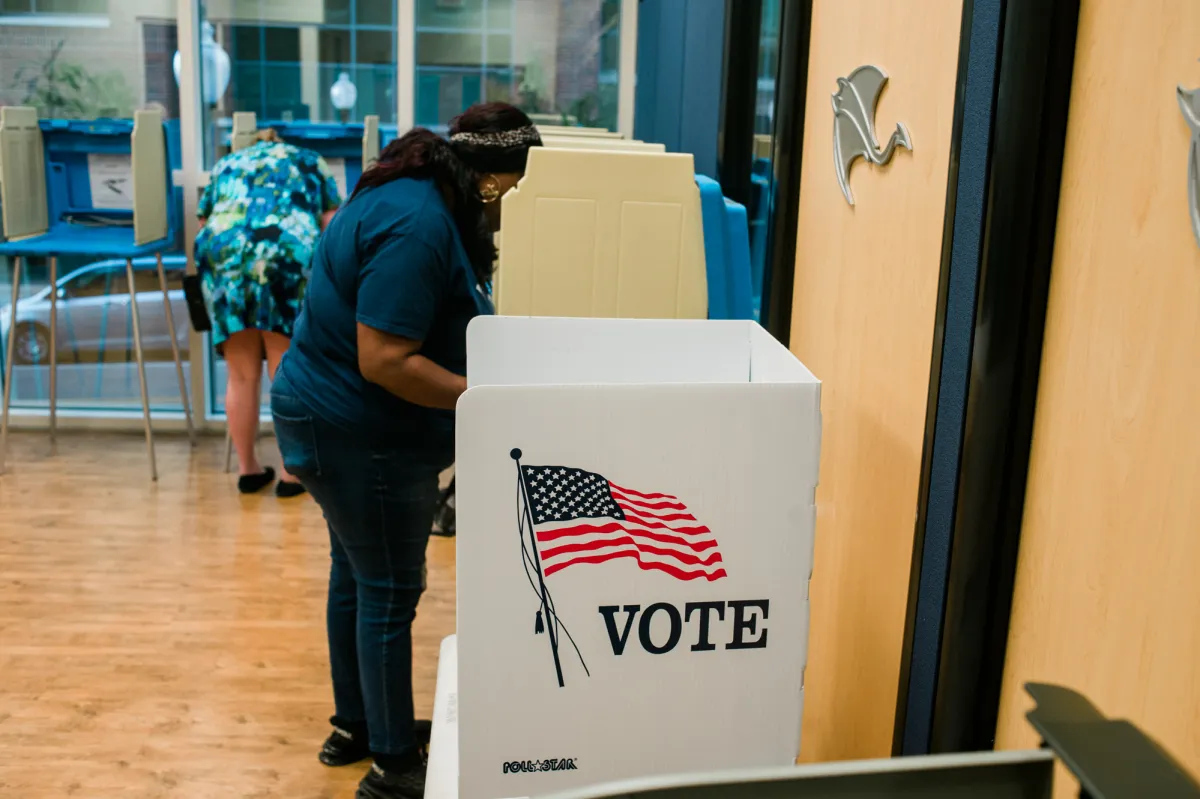
In the United States, increased voter turnout and historic election victories point to a surge in civic engagement. Recent elections in Virginia and New York City highlight the growing participation of citizens in shaping local and state leadership.
Virginia saw significant milestones as Abigail Spanberger is projected to become the state’s first female governor. Her victory demonstrates both progress in representation and a broader interest in inclusive governance.
In New York City, Zohran Mamdani won the mayoral race, becoming the city’s first Muslim mayor and the youngest in over a century. The outcome underscores the influence of younger voters and diverse communities in local politics.
Election officials reported record voter turnout in both contests. Analysts note that higher participation is a positive sign for democracy, ensuring that elected leaders better reflect the priorities of the electorate.
Civic engagement was particularly strong among young voters. Outreach programs, social media campaigns, and community organizations played a crucial role in mobilizing this group, amplifying their influence on election outcomes.
Political observers highlight that these historic wins could encourage further participation in upcoming elections. When citizens are actively engaged, it strengthens accountability and responsiveness in government.
The outcomes in Virginia and New York City also signal shifts in policy focus. Leaders elected with strong voter support are expected to prioritize issues like social equity, education, public safety, and community development.
Community organizations praised the results as a demonstration of how active voter involvement can drive meaningful change. They note that these victories reflect the public’s desire for leaders who are responsive, transparent, and inclusive.
Experts suggest that rising civic engagement may have a long-term impact on political trends nationwide. Sustained participation can influence policy direction, foster collaboration, and ensure that diverse voices are represented in decision-making.
In addition to individual victories, the broader trend shows citizens taking a proactive role in governance. Increased turnout and enthusiasm indicate a population that values democracy and understands the impact of their vote.
The 2025 election cycle demonstrates that historic outcomes are not just symbolic. They reflect changing voter priorities and the growing power of underrepresented communities in shaping political leadership.
Observers believe that these elections will inspire further voter participation, especially among young and first-time voters. Engagement at this level strengthens democracy and encourages the adoption of policies that address the needs of all citizens.
Overall, increased voter turnout and historic election wins in Virginia and New York City showcase a renewed commitment to civic participation. The results underscore the importance of voter engagement in creating a responsive and representative political system.
These developments highlight that active involvement in elections is critical for shaping leadership and ensuring that government reflects the diverse voices of the population. Rising civic engagement in the U.S. points to a healthier and more vibrant democracy.
